
Shreveport Hard Water: Do You Need Water Filtration Systems, a Softener, or Both?
Shreveport homeowners are facing a two-part water problem in 2026. Knowing whether water filtration systems, a softener, or a combination of both is the right fix is the first step toward protecting your home. Shreveport's water is typically hard, containing elevated calcium and magnesium levels that cause scale buildup in pipes and appliances. On top of that, the city's water system has faced repeated quality challenges that go beyond hardness alone. This guide breaks it all down.
What Makes Shreveport Water Especially Challenging?
Cross Lake is the primary source of Shreveport's water, drawing from a watershed spanning about 260 square miles across Caddo Parish and Harrison County, Texas. During dry periods, water is supplemented from Twelve Mile Bayou. That mix of surface water sources affects both hardness levels and overall quality throughout the year.
Shreveport's water system received an "F" on its 2025 state-issued report card from the Louisiana Department of Health. The system faces critical infrastructure deficiencies, elevated manganese causing brown water, federal compliance violations, and manganese levels reaching historic highs of 1.29 mg/L.
For residents in neighborhoods like Broadmoor, Queensborough, or the South Highlands, water arriving at the tap may carry more than hardness minerals. It may also bring discoloration, taste, or odor concerns tied to broader infrastructure problems. This is exactly why water filtration systems have become a top priority for local homeowners.
How Does Hard Water Damage Your Home Over Time?
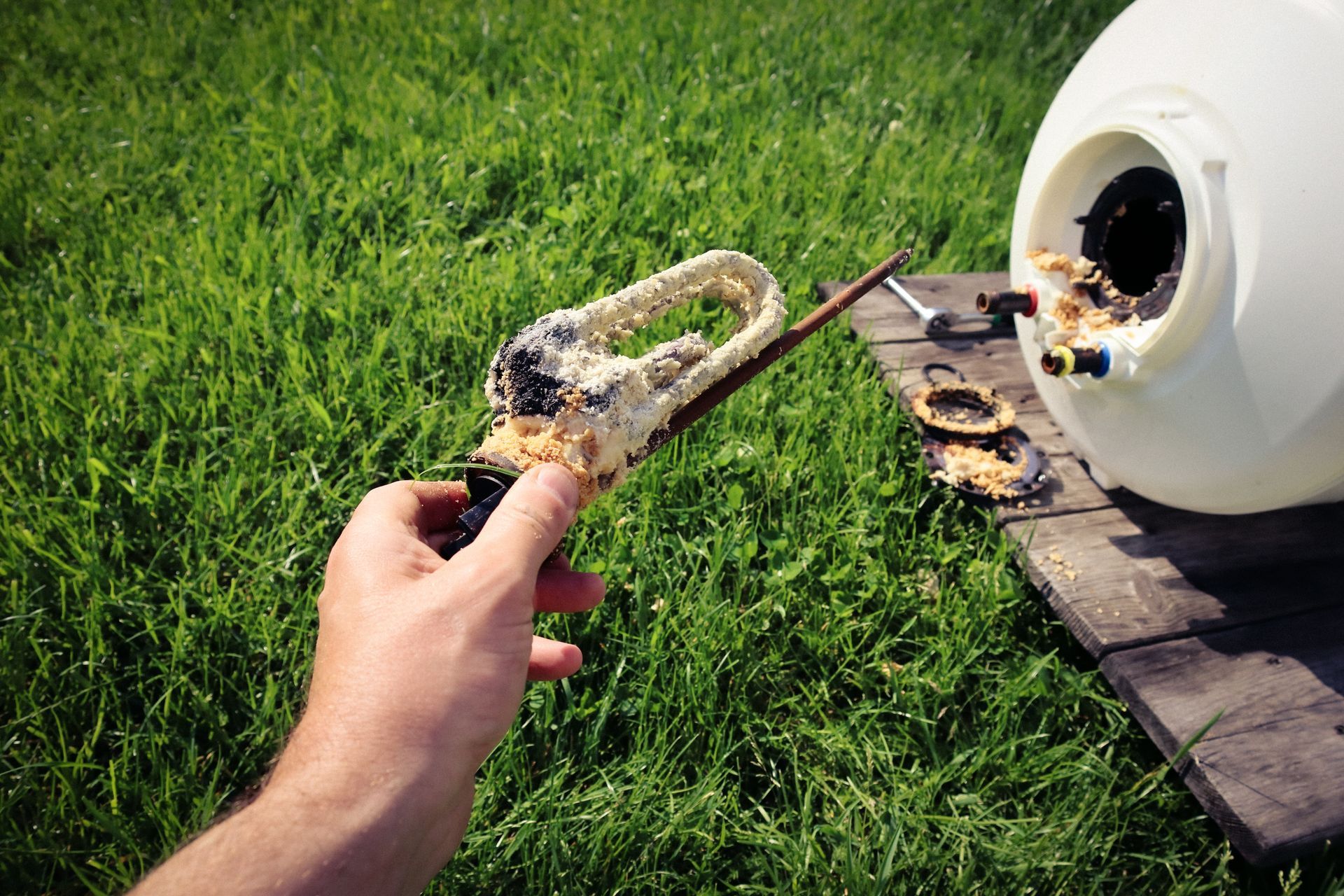
Hard water causes real, measurable harm. Scale accumulates inside pipes, water heaters, and dishwashers, reducing efficiency and shortening equipment lifespan. In Shreveport's hot, humid climate, appliances already work harder year-round, making scale damage more costly over time.
Common signs include white or yellowish deposits around faucets and showerheads, soap that does not lather well, and laundry that feels stiff after washing. These all point toward a need for water treatment, and in many cases, water filtration systems are part of that answer.
Water Softener vs. Water Filter: What Is the Difference?
A water softener and a water filter are not the same thing. Each solves a different problem, and in Shreveport, many homes may need both.
Water softeners target hardness specifically by replacing calcium and magnesium ions with sodium ions. A softener protects pipes and appliances from scale but does not remove contaminants like manganese, chlorine byproducts, or odor-causing substances.
Water filtration systems remove a broader range of contaminants. Carbon-based filters reduce chlorine, certain organic compounds, and odors. Reverse osmosis systems go further, addressing a wide spectrum of dissolved contaminants at the point of use. Given Shreveport's documented manganese spikes, water filtration systems are especially relevant here.
A quick comparison to guide your decision: a water softener addresses mineral hardness but does not filter contaminants; a whole-home water filter addresses contaminants but may not fully treat hardness; a combined system handles both; reverse osmosis offers the highest level of point-of-use purification; and point-of-entry systems treat all water before it reaches any fixture.
When Should You Choose a Softener Only?
A softener alone may be enough if your main complaint is scale buildup, poor soap lathering, or stiff laundry, and a water quality test shows hardness as the dominant concern with no significant contaminant levels.
When Should You Choose a Filter Only?
A filter alone may be sufficient if your water tests as moderately hard but shows elevated chlorine, manganese, or taste and odor issues. Carbon or multi-stage water filtration systems can address these concerns without adding sodium to your water supply.
When Do You Need Both?
Many Shreveport homes benefit most from a combined approach. If your water is hard and you are also experiencing discoloration, taste issues, or concerns about manganese or chlorine byproducts, pairing a whole-home softener with water filtration systems offers the most complete protection.
How Do I Know What My Water Actually Contains?
The best starting point is a professional water test. Testing measures hardness in grains per gallon, identifies specific contaminants, and gives you a clear picture of what you are dealing with. You can use a home test kit, review your municipal water quality report, or request a professional lab analysis. A licensed plumber can then recommend the right system based on your actual results.
Get the Right Water Treatment Solution for Your Shreveport Home
Shreveport homeowners have good reason to take water quality seriously in 2026. Naturally hard water, documented manganese problems, and aging infrastructure make a strong case for professional water treatment. The right solution starts with knowing what is actually in your water. To learn more, visit the residential services page for water treatment and filtration services.
Rinchuso's Plumbing & Heating Inc. has served the Shreveport, LA area for over 40 years, providing water filtration systems installation and water purification services for residential and commercial properties.
Contact the team or call
(318) 671-1820 to request a free estimate. You can also find
Rinchuso's Plumbing & Heating Inc.
on Google to read reviews and get directions.